عربي
عربي English
 Français
 Русский
 Español
 Tiếng Việt
 中文
中文
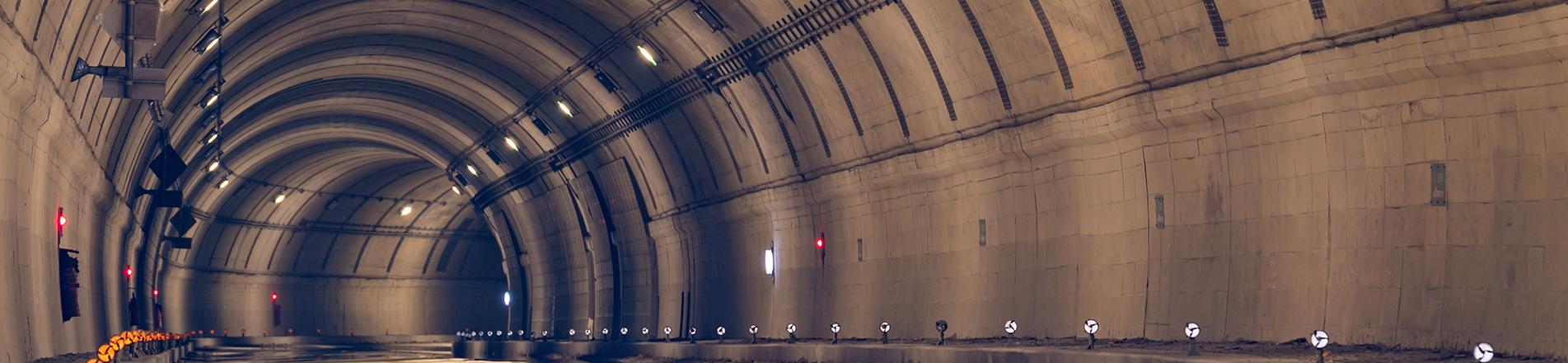
Most tutorials show a nice, open basement wall or a clean garage floor. But the real world of waterproofing is dark, cramped, and inaccessible. Your leak isn't in the convenient, well-lit spot. It's behind a finished wall, under a slab you can't break, or in a crawlspace so tight you can't turn around. This is where standard injection techniques fail, and where specialized access strategies become the difference between a successful repair and a demolition project.
Scenario 1: The Finished Basement Wall (The Blind Injection)
The Problem: Water is seeping through the base of a wall that's covered with drywall, paneling, or tile. Tearing it all out is expensive, messy, and destructive.
The Solution: Remote Port Installation. Small, discreet holes are drilled through the finished surface and into the concrete behind. Injection ports are installed through these holes. Using a borescope camera inserted first, the technician can actually see the backside of the wall and locate the crack. Grout is then injected through the ports, sealing the concrete from behind without ever touching the finished surface.
The Result: The leak stops, the drywall stays, and the repair is virtually invisible.
Scenario 2: The Crawlspace Crack (The Confined Space)
The Problem: The crack is on the floor of a 24-inch high crawlspace. There's no room to stand, no power, and minimal light. Standard injection pumps are too bulky.
The Solution: Battery-Powered, Compact Injection Systems. Specialized hand-held, cordless pumps are designed for exactly this environment. They are lightweight, portable, and can be operated with one hand while you brace yourself with the other. Materials are chosen for their rapid cure to minimize the time spent in the confined, often damp space.
The Result: A professional repair in an impossible location, with the technician spending minimal time in a hazardous environment.
Scenario 3: The Sub-Slab Void (The Invisible Cavity)
The Problem: Water is coming up through the floor, but there's no visible crack. The likely culprit is a void or porous area under the slab, where soil has eroded.
The Solution: Core Drilling and Injection Grouting. Small, 1-2 inch cores are drilled through the slab at strategic intervals. A camera is lowered to inspect the sub-base. If a void is confirmed, a high-volume, high-strength grout (often a cementitious or high-density polyurethane) is pumped through the cores, filling the void and creating a solid, water-resistant base. The cores are then patched.
The Result: The water source is cut off at its origin, not just at the surface, stabilizing the slab and stopping the leak permanently.
These advanced techniques require specialized equipment, experience, and a willingness to work in challenging environments. But they prove one thing: with the right approach, there is no such thing as an impossible leak. Every hidden crack has a path, and every path can be sealed.
 اشترك في النشرة الإخبارية المجانية!
اشترك للحصول على آخر الأخبار. ابق على اطلاع بأحدث الاتجاهات.

 IPv6 الشبكة المدعومة